Blog
When women's needs aren't siloed
By Nimat Jaffer
Our Strategic Programme Manager for Violence Against Women and Girls (VAWG), reflects on a women’s sector event she attended on behalf of The London Community Foundation. The Learning Circle hosted by the Smallwood Trust took place in the lead-up to International Women’s Day, where this year’s theme focuses on the importance of both structural change and collective action to ensure women and girls can fully exercise their rights and thrive in all areas of life. In many ways, the discussions throughout the day reflected exactly that ambition, exploring how organisations, funders and services can work together to address the interconnected challenges women face.
Walking into the Library of Birmingham, the first thing that stood out was the natural light, and on climbing the stairs was the spectacular views of the city. The building’s open design and the warm welcome from the Smallwood Trust team created an atmosphere that felt immediately collaborative. Round tables were arranged across the room, subtly signalling that the day ahead would prioritise shared reflection for charities and funders.
Opening remarks acknowledged the wider social climate and the ways it continues to compound the needs of those experiencing multiple disadvantage. What emerged was a strong sense of unity - a recognition that while organisations may face similar challenges, they are also increasingly exploring how working together can create stronger, lasting support for women and their families.
Coventry Women's Partnership
Women’s experiences are rarely shaped by a single issue. Housing insecurity, immigration status, violence and exploitation, financial hardship and more often intersect. When needs are this interconnected, services cannot work in isolation. Partnership becomes essential.
The event explored how partnerships can be strengthened and formalised.
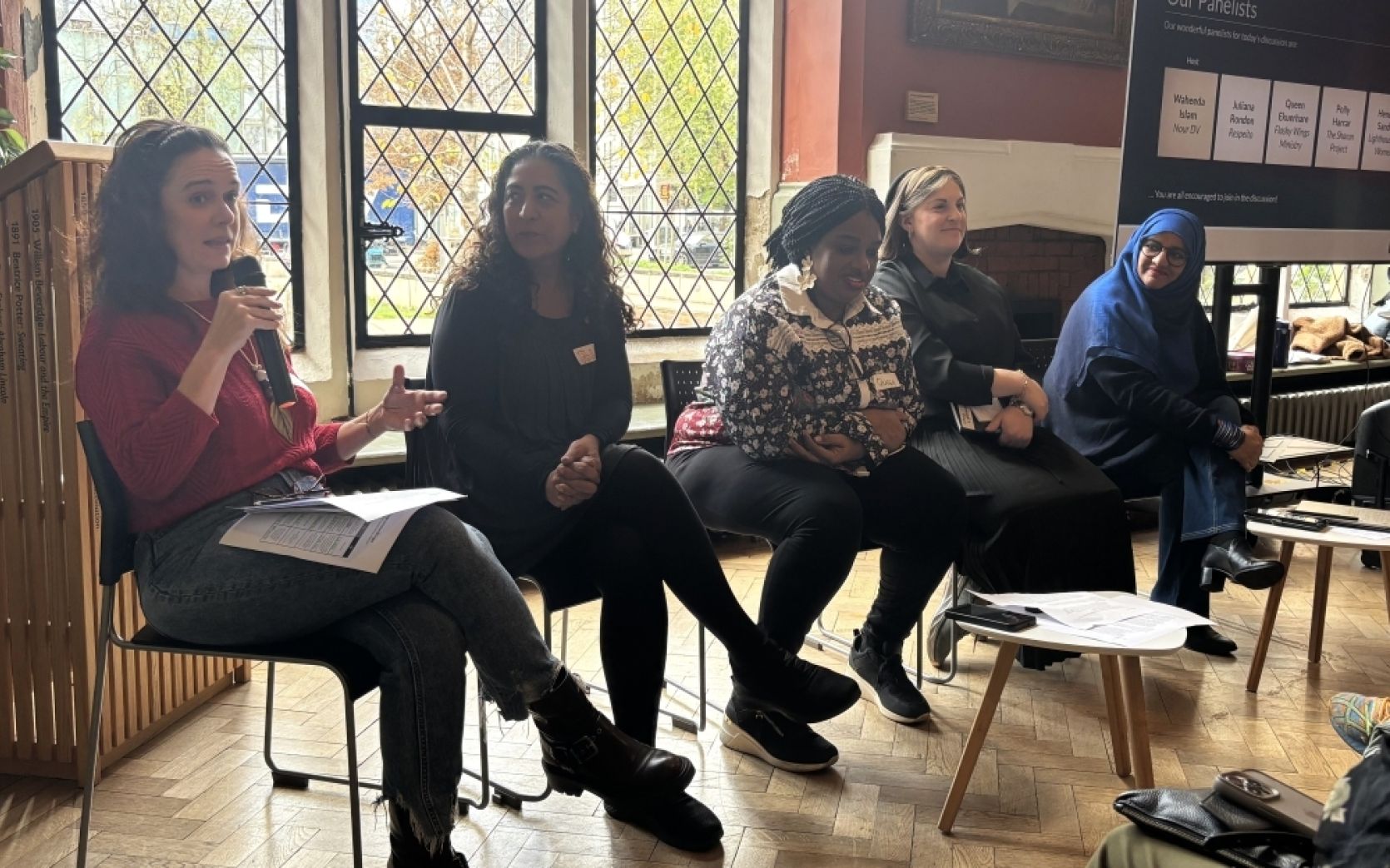
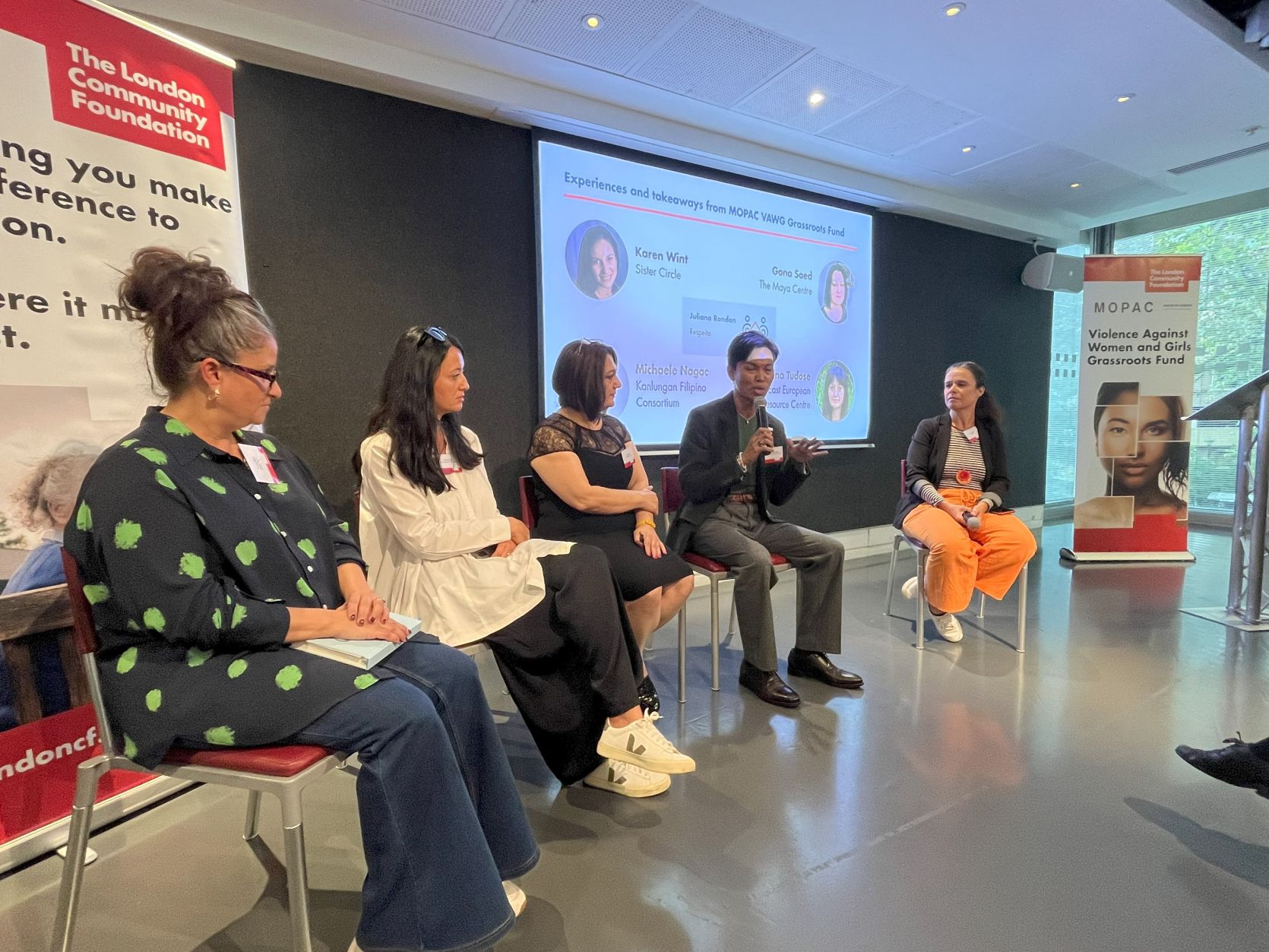
A compelling example came from the Coventry Women’s Partnership, a long-term, place-based systems change initiative funded by the Smallwood Trust that has been running for the past nine years. As part of the Trust’s multi-year Policy and Systems Change Initiatives, the partnership brings together five core organisations — Foleshill Women’s Training, Central England Law Centre, Coventry Haven, CRASAC and Kairos Women Working Together. Representatives from the partnership shared their experience of building a collaborative model that connects frontline support and legal expertise to identify systemic gaps and strengthen support for women.

Importantly, the panel emphasised that successful partnerships do not happen simply because organisations share the same goals or values. They require structure, trust and a clear understanding of roles.
Rather than operating as separate services, the partnership functions as a coordinated system where insights from frontline work feed into strategic discussions. They also highlighted the value of having a dedicated role that sits across that function, someone who able to connect insights and ensure that learning from across the partnership informs advocacy for systems change.
In the spirit of sharing the realities of partnership working, the panel spoke openly about the challenges. For example, when legal partners receive referrals, confidentiality rules limit how much information can be shared afterwards. While this protects the individuals involved, it can create sticking points within collaborative working. Acknowledging and navigating these complexities with honesty is part of what makes partnerships stronger over time.
Where do funders fit?
Alongside the discussions among frontline organisations, the event also created space for funders to reflect on their role in enabling partnership working.
One important insight that emerged was that collaboration itself requires resources. While many funding programmes focus on service delivery, the work that makes partnerships possible - coordination, relationship building, shared learning and policy engagement - is often harder to secure funding for.
For funders interested in systems change, this raises important questions about how grant making structures can better support collaborative approaches. Grantees value long term funding, flexibility, lessons learnt as success and even funders being part of feedback loops.
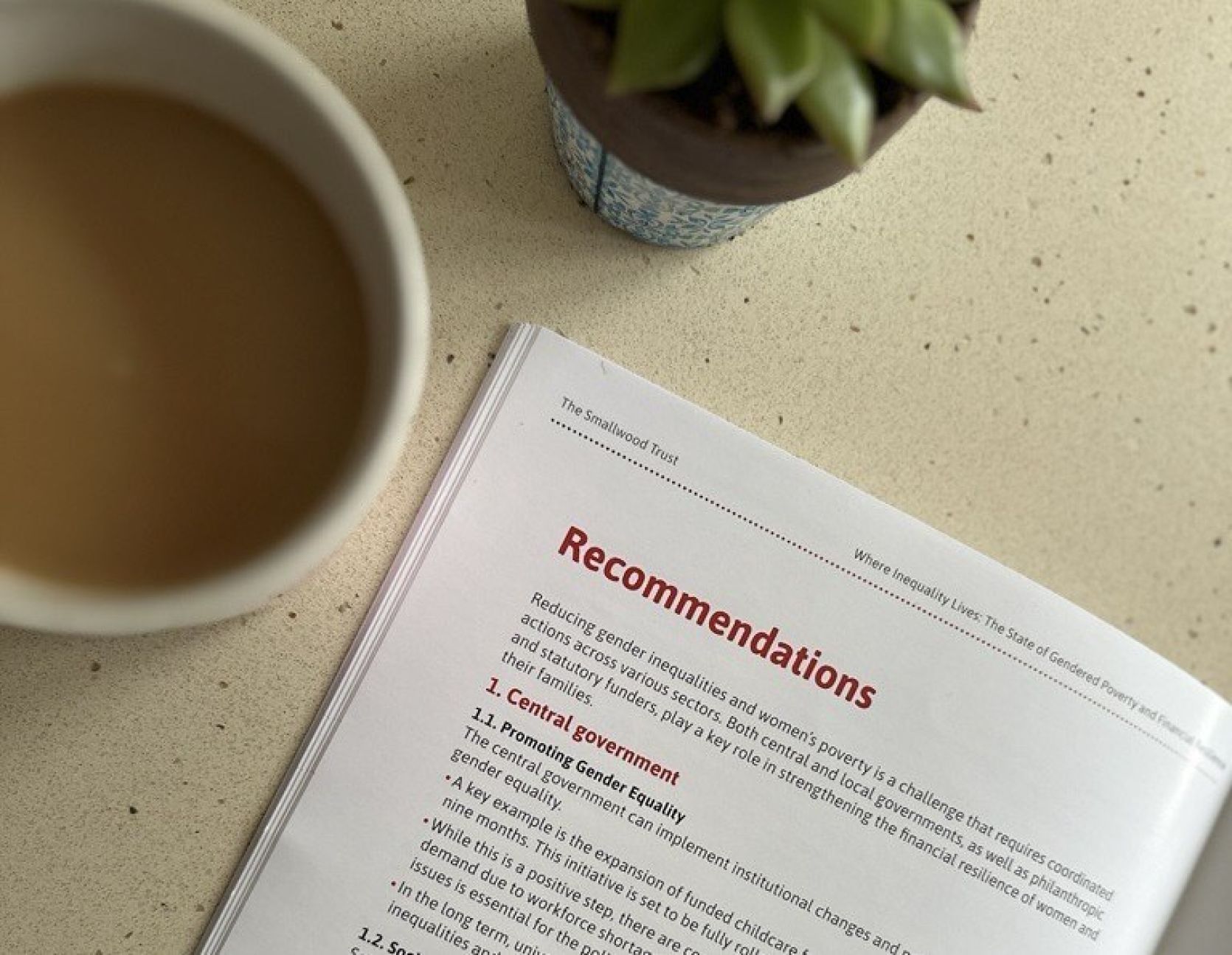
It was clear that funders themselves are part of the partnership ecosystem.
Building strong relationships with grantees can support trust and openness, but it can also place funders in complex positions if disagreements arise within partnerships. Navigating these dynamics thoughtfully is an ongoing area of learning.
Funders learning from one another was also a key takeaway from this event, and the Smallwood Trust facilitated this expertly.
When the competition is left at the door
The chance to connect with others working in similar spaces created a rare opportunity to share perspectives across different parts of the ecosystem.
During breaks, conversations flowed easily between organisations and funders from different parts of England, with participants sharing experiences, challenges and ideas. In one conversation, the issue of child marriage was raised which felt like a stark reminder that some issues affecting women and girls remain less visible yet are very real for some communities and the organisations supporting them.
What stood out most was the energy. Rather than competition or guardedness, there was a genuine willingness to listen and learn from one another.
“It was truly inspiring to learn from a partnership that has been working together for nine years.
Hearing about their journey, successes, and challenges was incredibly valuable for us in Newham as we are just at the beginning of building this kind of collaboration.
Having organisations, networks, and funders in the same room was powerful it allowed us not only to listen and learn from their suggestions, but also to share our own work and build stronger relationships for the future.”
Shpresa Programme
Importance of intention
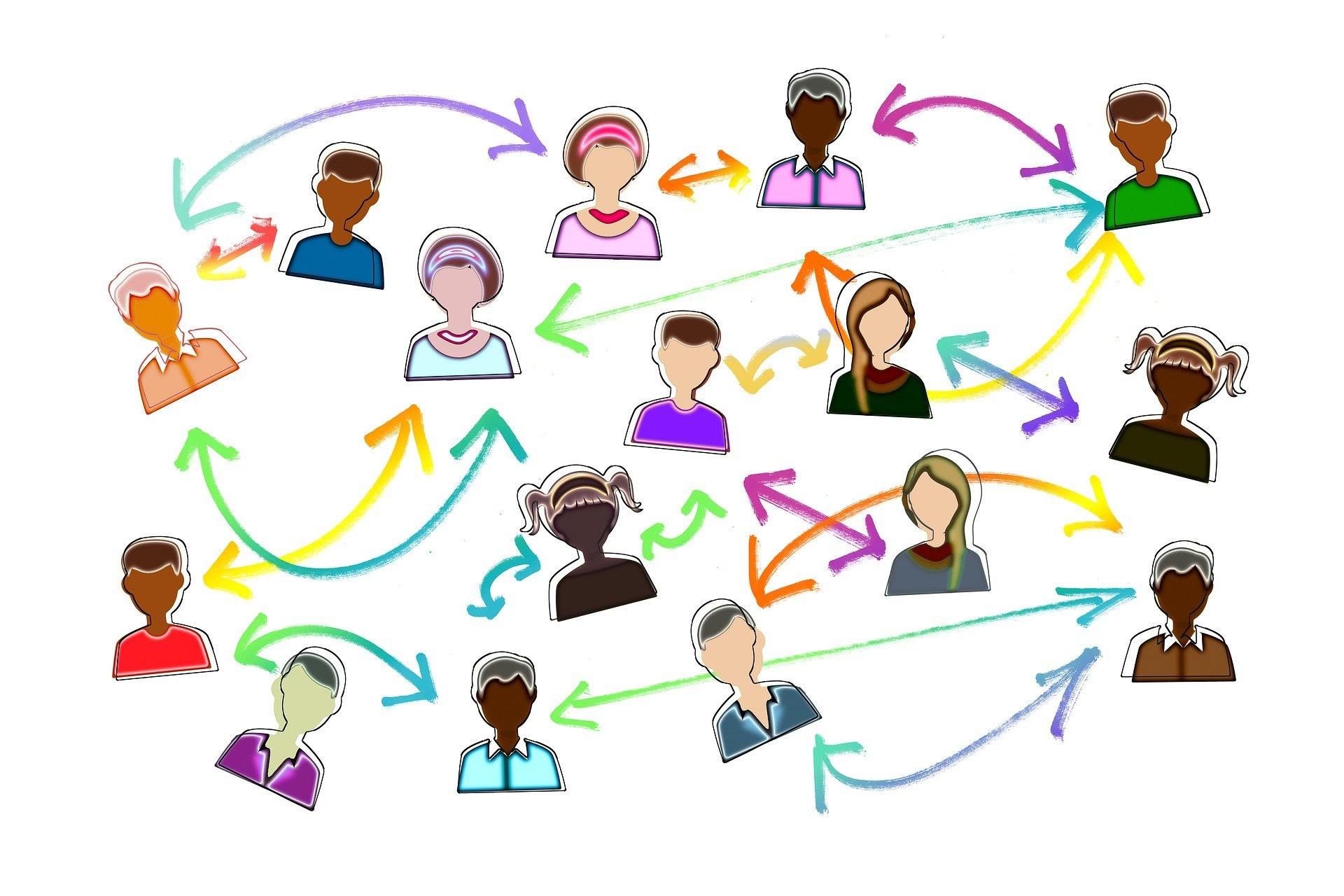
Shared values may bring organisations together, but building meaningful collaboration takes time, trust and the right structures to support it.
The conversations in Birmingham were a powerful reminder that when organisations come together with intention and shared insight, they can create more sustainable support systems. These principles of collective action sit at the heart of this year’s International Women’s Day theme.
Events like this offer more than just a space to exchange ideas. They help strengthen the relationships and collective thinking that underpin long-term change.
(Image credits: Gerd Altmann from Pixabay / Christina @ wocintechchat.com on Unsplash / The London Community Foundation)

Work together with us
If you would be interested in working in partnership to support community organisations across London - whether by creating a new funding opportunity or joining forces with others to invest in an existing programme - please contact one of our team.