Blog
Beyond the grants: Does London’s VAWG funding reinforce inequality?
The violence against women and girls (VAWG) funding landscape in London is a particularly inhospitable place to navigate for specialist Led By and For community organisations, working with racially underrepresented communities. In this sector, Led By and For, micro and grassroots organisations, rooted in trusted in communities, make up 86.5% of the available services. Yet only just 3.9% of the funding is allocated to these vital organisations.*
Scarcity, short-term commitments and high competition are all ever present challenges, as well as systemic barriers such as the race, class and size of the organisations applying. The nuances of the different sub-cultures represented are both the very reason why they are so trusted and relied upon in their communities as well as the root cause of them being held back or overlooked when it comes to sustainable funding.
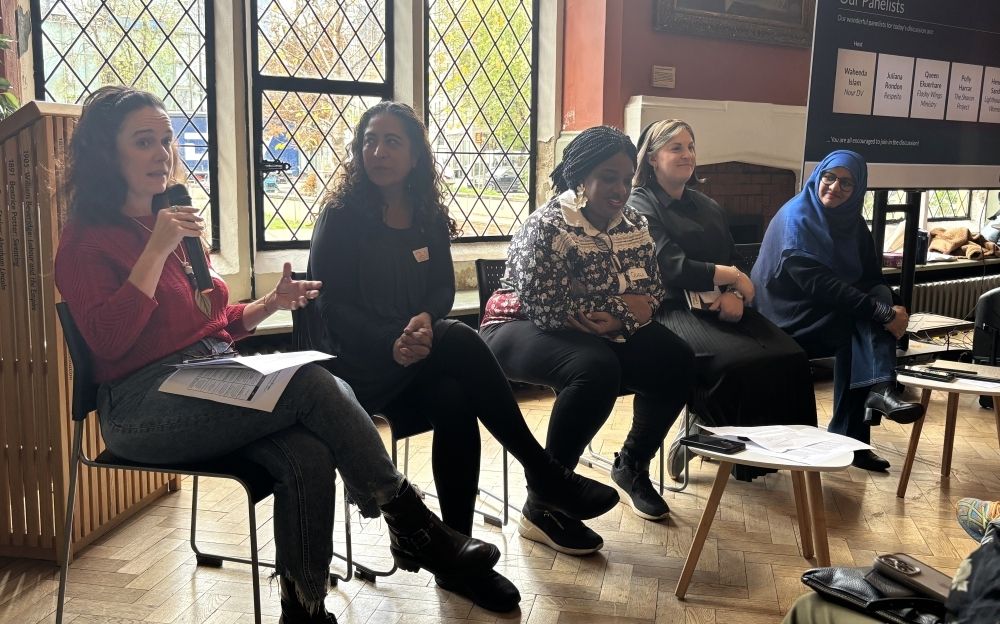
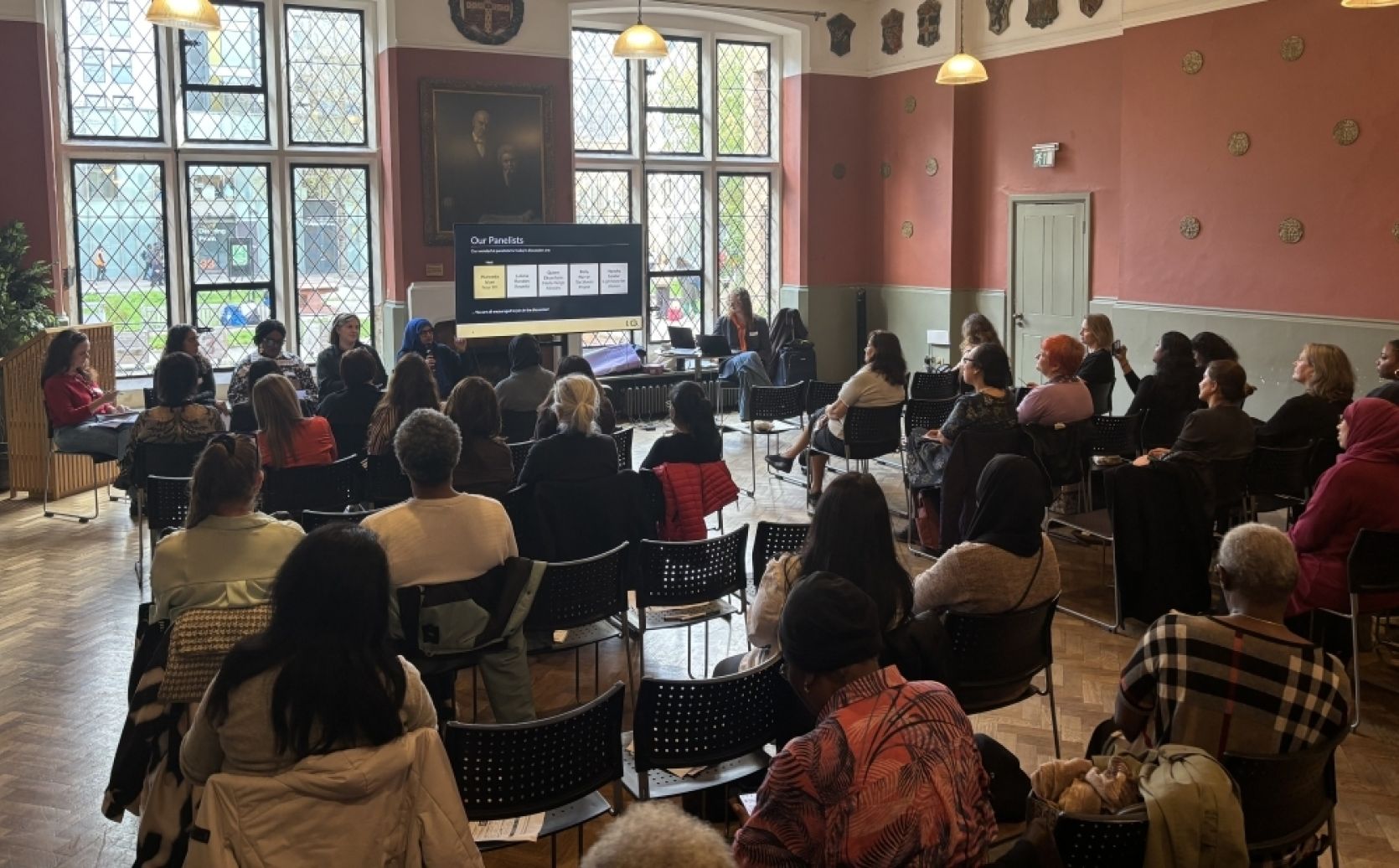
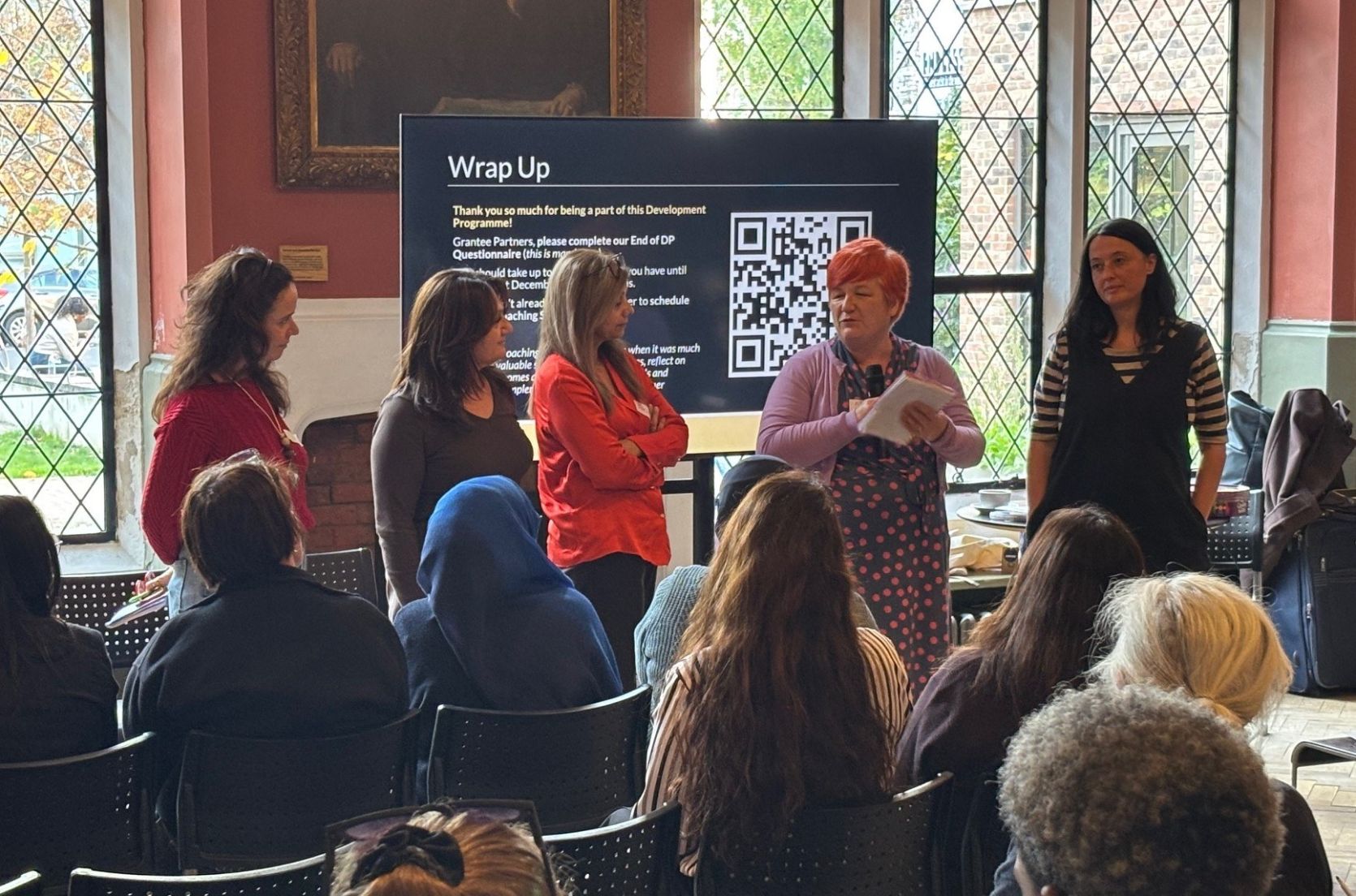
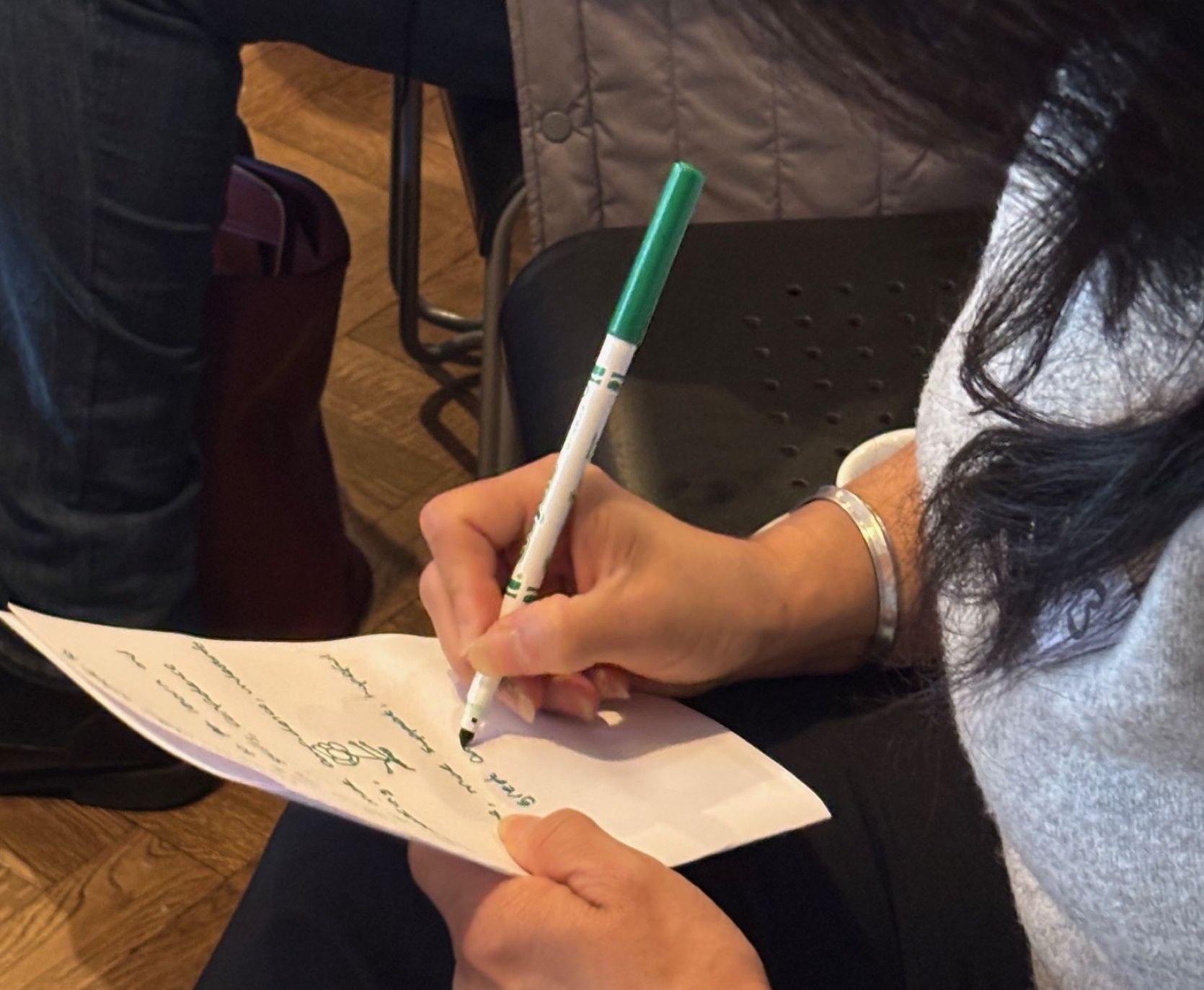
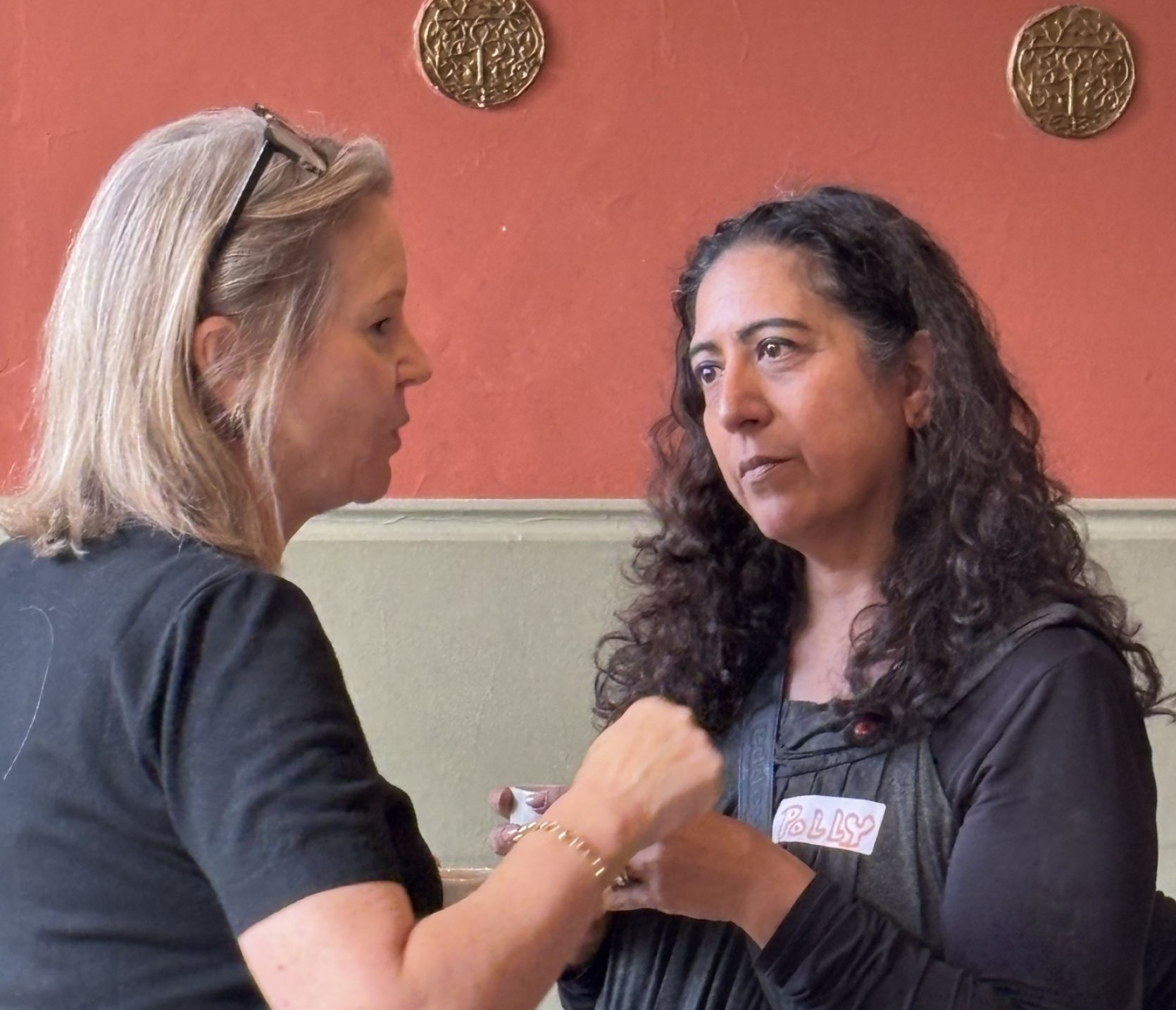
Earlier this month, we held our final learning networking session for a cohort of community organisations supported through the MOPAC VAWG Grassroots Fund 2023-25 and the Home Office VAWG Specialist Support Services Fund. The session was facilitated by our capacity building partner, IG Advisors, and included a discussion panel from within the cohort of organisations. Reflecting on the programme and as well as the wider funding landscape, we asked our panellists from Flashy Wings Ministry, Lighthouse, Nour, Respeito and The Sharan Project to share their views on the challenges facing VAWG specialist organisations in London.
Flashy Wings Ministry run a wide variety of activities for women mainly African ethnic minorities and Caribbean ethnic minorities, including senior citizens, refugees and women on low income. Lighthouse supports Orthodox Jewish single-mother families facing acute poverty, crisis and domestic abuse, providing culturally attuned, trauma-informed interventions that restore safety, stability and long-term wellbeing. Nour walks alongside survivors of abuse from minoritised backgrounds, offering culturally attuned support that is deeply relational, compassionate, and trauma-responsive. Respeito is dedicated to reduce and prevent domestic abuse in the Portuguese speaking community in London. The Sharan Project is a charity that supports South Asian women who've been disowned, or may be disowned, as a result of harmful practices such as honour-based abuse and forced marriage who may require long-term support.
If we don't create dynamics of sustainability, we are creating dependency...
- Juliana, Respeito
As a response to the annual 16 days of activism against gender-based violence, we wanted to share these perspectives, in their own words:
“The communities we serve – our communities – are invisible in the funding landscape. If we don't reach a minimum turnover, £200K, 250K a year, we're not even eligible to apply. If we don't have sustainability, and if we don't create dynamics of sustainability, we are creating dependency. So if there's no trust from funding commissioners to give us autonomy, to give us sustainability, then we are just creating a cycle of violence in the end.” - Juliana (Respeito)
Led By and For specialist VAWG organisations can struggle to remain sustainable, often missing out on funding due to their size, understanding of their specialisms and their need for long term financial commitments from funders. The very systems created to support their work can become discriminatory and excluding to these vital organisations and even see them have to dig deeper than is fair to see them through to the next financial lifeline.
"Existing commissioning and funding frameworks are not designed for charities like us, many charities have had to use their reserves just to keep the lights on, this means reserves are so low that we don't meet their thresholds. In order to restore equity, funding should recompense for the years that we have had to use our reserves. We've been fiscally responsible to create reserves for rainy days, but rainy days have turned into years" - Polly (The Sharan Project)
Grassroots VAWG organisations are the ones that have lived experience and are deeply trusted by the communities they are part of and serve. The relationship between these delivery experts and the statutory services referring clients to them, can be another challenge that isn’t always appreciated by those making crucial funding decisions.
“I think there is a disconnect about what we are experiencing from the funding sector to the people and with that level of disconnect, I think most of the funders are not in touch with our realities. We need to start thinking, how can we get them to hear us? How can we get them to connect and be in touch with our realities?” - Queen (Flashy Wings Ministry)
We need to start thinking, how can we get them to hear us? How can we get them to connect and be in touch with our realities?
- Queen (Flashy Wings Ministry)
This feeling of being held back and not being listened to can be very demoralising for those closest to the most underrepresented communities. The disconnect is further increased for Led By and For organisations working with very specific and targeted demographics within these communities.
“Funders who offer funding for racially minoritised groups don't always know how and what they are. It can be obvious in their responses and rejections that they don't really understand the nuances of minority groups and what is needed." - Henchy (Lighthouse)
Grassroots Led By and For services are often relied upon as expert practitioners as much as they trusted by their clients and communities.** When a high profile case hits the headlines, their authority and contribution are quickly recognised but their access to sustainable and equitable funding doesn’t always reflect this the rest of the time.
“It's almost like our expertise is compartmentalised - here's your little box, don't step out of it. Even with what we share, it's like our voices only matter if it matches the narratives that are being told about us... It's about the use of power and control, and it's interesting, isn't it, that we work in the VAWG sector, and yet we face the same dynamics of power and control.” - Waheeda (Nour)
The panel’s perspective reflected the experiences of all the specialist VAWG organisations represented at the learning networking session. At times the funding landscape can feel like a Hunger Games-style battle, with communities competing for the limited sources of help available. The feeling in the room was more than mere frustration and disappointment. Without more funding and fairer access to the funding that is available, vital services like these will struggle to keep running. Ultimately, losing these services will have a devastating impact on survivors of violence and abuse in communities across London and result in even more cases affecting women and girls in our city.
We work in the VAWG sector, and yet we face the same dynamics of power and control.
- Waheeda (Nour)
But there is hope – in the shape of the spirit of camaraderie and collaboration in this cohort of organisations. There’s an appetite to stand together, to amplify their influence and to share their wisdom and resources. This collection of activists and practitioners are passionately committed to their work and to each other and they will continue to work together to see an end to violence against women and girls – during these 16 days of activism and for as long as is necessary.
*Women and Girls Sector Research Mapping Report, Rosa, 2023
**Mapping Abuse Survivors Long Policy Report, Domestic Abuse Commissioner, 2022
Get involved
If you would like to know more about starting or contributing to a fund to support Led By and For specialist VAWG organisations in London, please get in touch so we can help you explore your options.