Blog
Sexual Abuse and Sexual Violence Awareness Week (#ITSNOTOK)
[Trigger warning: This blog contains references to sexual abuse and violence as well as other forms of abuse and trauma]
When relationships are the root cause of abuse and trauma, it is vital that any support for survivors is also deeply relational. At The London Community Foundation we believe that this relational approach is equally important when working with the specialist community organisations who are delivering services in communities and neighbourhoods across the city. It's especially true in the violence against women and girls (VAWG) space, where lived experience and a human approach to helping survivors play a key part in helping women and girls feel safe, heard and supported.
The first full week in February is Sexual Abuse and Sexual Violence Awareness Week (#ITSNOTOK) - the UK’s national week to raise awareness of sexual abuse and violence and to provide an opportunity for any organisation or individual to engage in dialogue. We are privileged to support a wide range of specialist community organisations across London. Many of these have been funded and strengthened by both the MOPAC VAWG Grassroots Fund and the Home Office VAWG Specialist Support Services Fund. It has been inspiring to play a part in their work with survivors of sexual abuse, sexual violence as well as other forms of abuse and the trauma these can cause.
One such specialist charity is Nour, who walk alongside survivors of abuse from minoritised backgrounds, offering culturally attuned support that is deeply relational, compassionate, and trauma-responsive. Nour was set up in 2011 by two Muslim women who were university students at the time. They felt that that assumptions made about who experiences abuse and the narratives around abuse in minoritised communities were impacting the ability of survivors to come forward. If survivors do not feel that the support services will understand their culture, faith, family dynamics and pressures, they are less likely to ask for help. Nour was established to address the injustices and inequalities experienced by survivors of abuse, particularly, but not exclusively, from Muslim communities. Nour’s mission is rooted deeply in social justice and anti-oppressive principles.
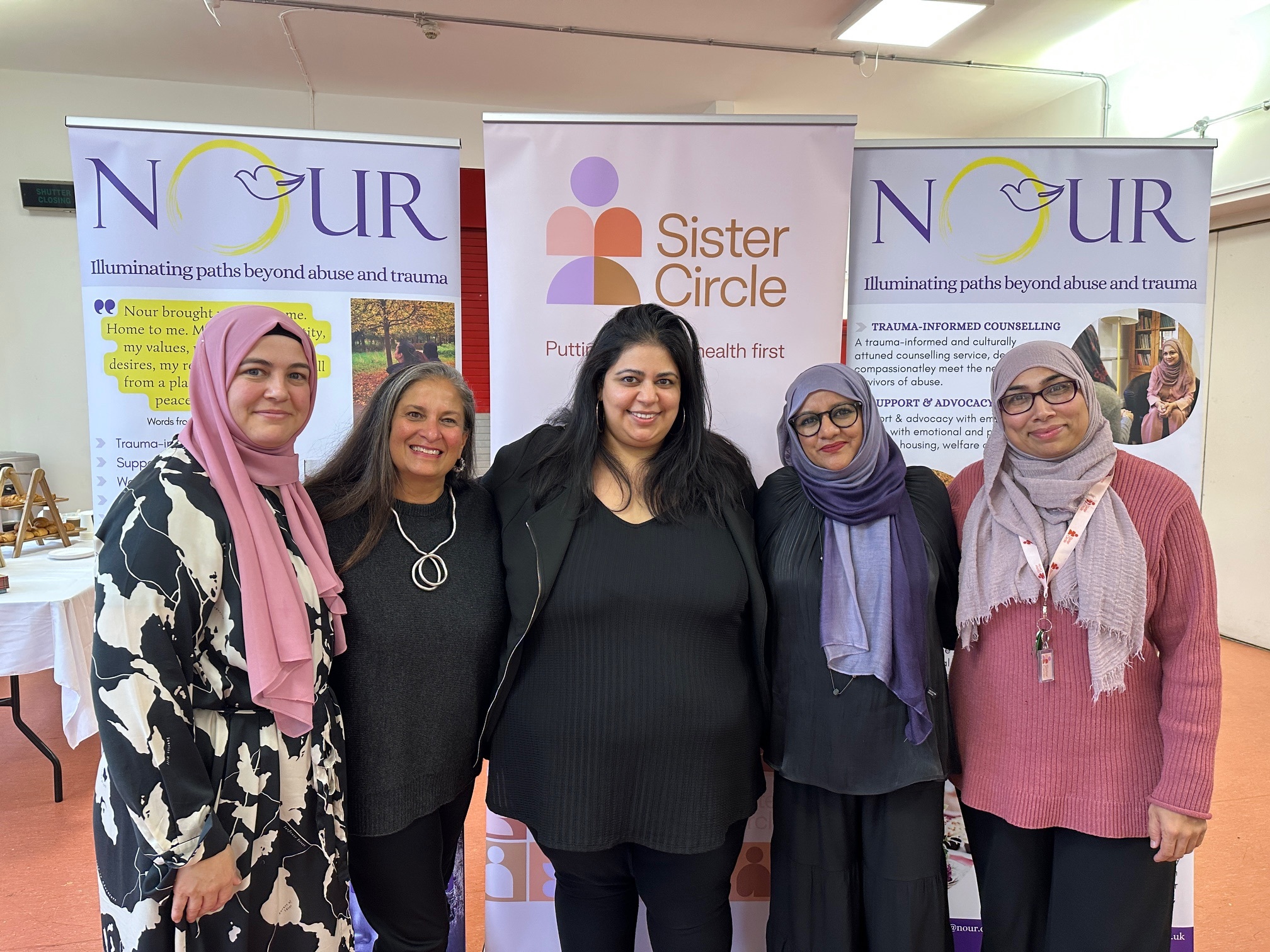
Nour, based in Tower Hamlets, are great examples of taking this deeply relational approach. Their work with underserved women in London counters the marginalising impact of forced migration, refugee and asylum status, racism and islamophobia as well as the effects of the abuse and trauma itself. Nour provide free counselling, legal advice, emotional and practical support, financial assistance amongst other services, with the aim to enable survivors to heal from the trauma of abuse and lead more meaningful lives.
The positive results of Nour's sensitive and compassionate approach is illustrated in the following stories:
Ella's story
Counselling has been exactly what I needed in my life. A kind and empathetic soul that accepts who I am no matter how I present myself. Having support from a counsellor allowed me to feel the anger that I was afraid of. To feel it, allow it, and accept that anger is a part of my grief and journey of growth. I feel more positive, confident, and kinder to and comfortable in myself. - Ella, Counselling client
Ella* came to Nour as a young woman carrying the profound impact of child sexual abuse by a close family member. This early trauma had been compounded by a lack of support as she grew older, with additional adverse encounters leaving her experiencing shutdown and disconnect in relationships. She struggled to form intimate connections and needed a safe space to process not only the known abuse, but also the more subtle harm caused by another parent's collusion and minimisation of her trauma.
Through Nour's free counselling service, Ella received trauma-responsive support to explore her relational patterns with others and her relationship with her own childhood and adolescence. Her counsellor provided a safe, judgement-free space to examine uncomfortable truths that had been overshadowed in previous therapeutic work. Together, they explored the harmful role her mother played in colluding with and minimising her trauma and how this had shaped Ella's adaptive strategies and ability to trust others.
Ella's journey through counselling has led to significant personal growth and clarity. She has navigated the relationship with her mother through therapy. She feels she can now learn from setbacks without the fear that previously held her back. Counselling has given Ella the space she needed to understand the full picture of her trauma and to develop healthier patterns for the future. She now moves forward with greater self-awareness, agency and hope for meaningful relationships built on trust and authenticity.

Sara's story
"When I was in crisis and badly needed their help, Nour made me realise that I have to live. I can heal. I am happy." - Sara, Hardship Grant client
Sara* contacted Nour seeking emotional support and counselling services after sexual abuse in her home country. She had received threats against her life, forcing her to seek asylum status in the UK for protection and permanent residency. As trust developed through 1:1 support sessions with her support worker, Sara was able to express her deep fears and worries. She also shared the challenges around her living situation and asked for help to buy food and clothing for her child, as she was struggling to meet even their most basic needs.
Sara was supported to apply for a hardship grant through Nour's financial assistance programme. The Nour grants manager worked closely with their specialist zakat advisor to determine whether Nour could pay towards Sara's immediate debt in addition to providing food and clothing. Her application was carefully processed in consultation with the specialist zakat advisor, and Sara received a grant to both clear her debt and contribute towards essential food and clothing for herself and her child.
The stress and fear caused by the threats, debt repayment demands and inability to meet essential living needs had taken a severe toll on Sara's mental health. The grant relieved significant adversity and lifted a huge burden from her shoulders. In her first conversation with the grants manager, Sara had expressed that she could not see a future and had no will to live. The support she received gave her hope again. Sara continued to receive support from her support worker and began counselling sessions to help her heal and recover from the trauma she had faced, taking steps toward rebuilding her life in safety.
*Names have been changed
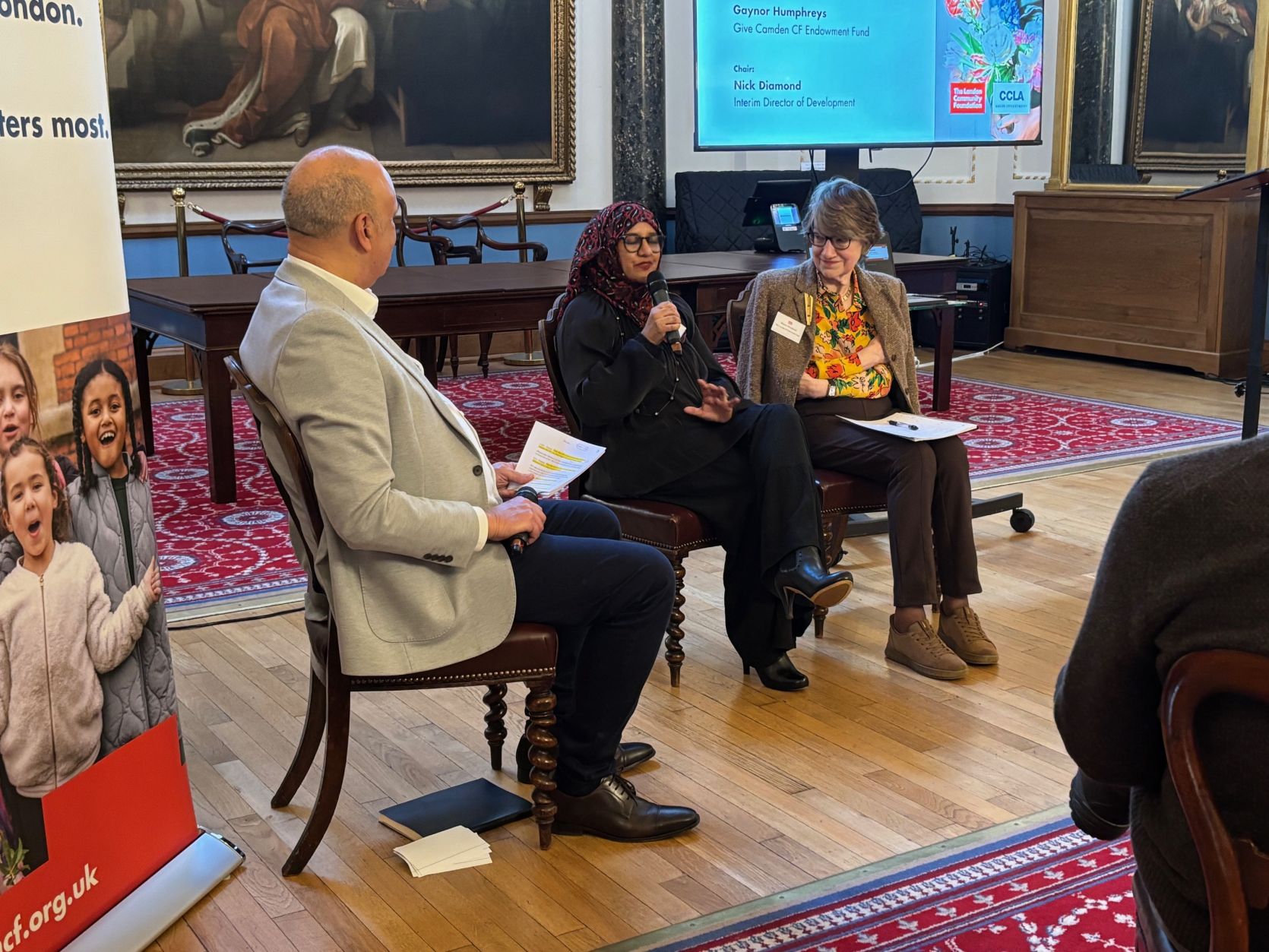
My hope is that grant funders start to function in the way that The London Community Foundation have demonstrated works and is an effective partnership between funders and service providers. That way those receiving services are best served in their time of need and in the months and years that follow to recover and rebuild their lives.
- Waheeda Islam, Chief Executive, Nour
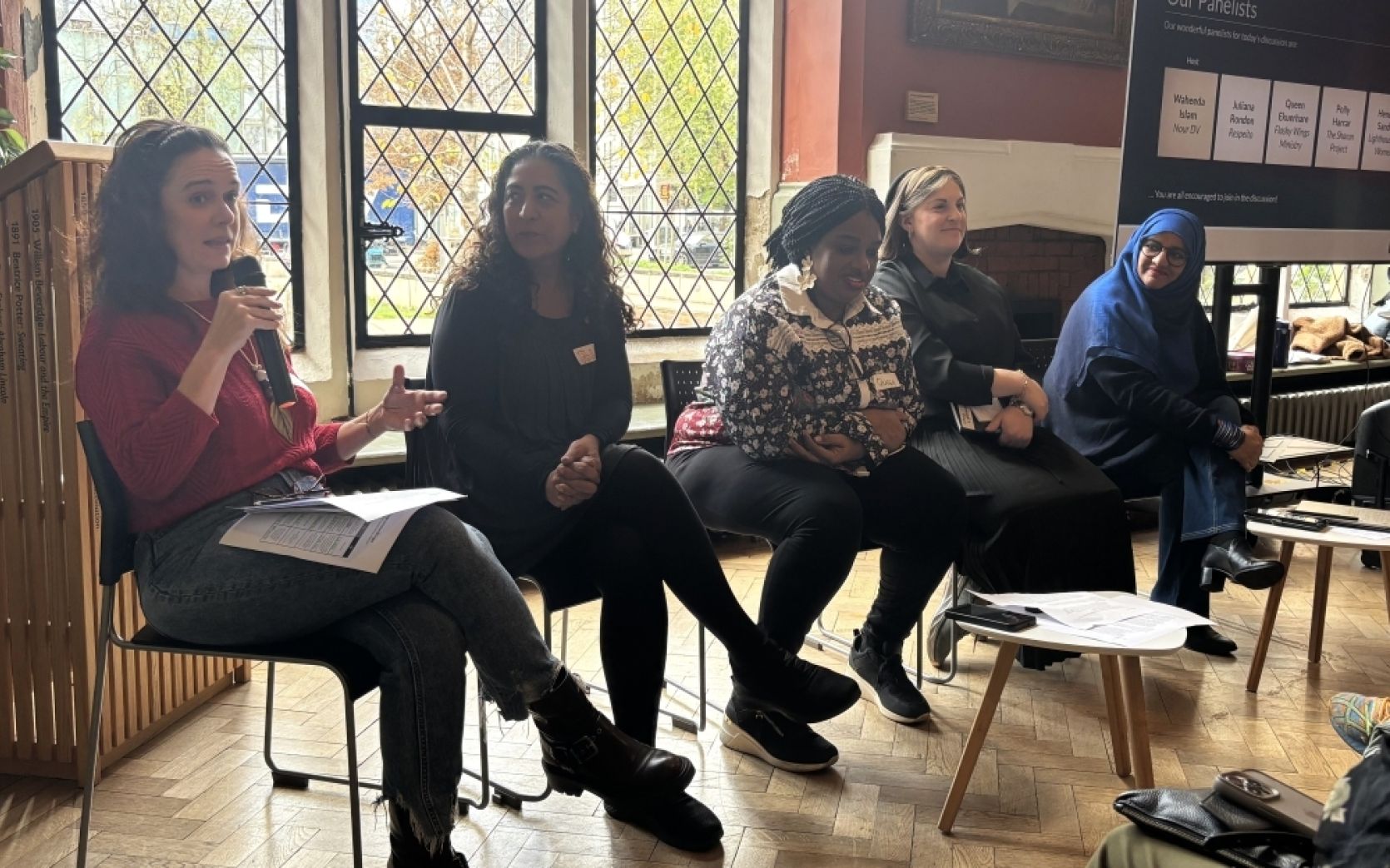
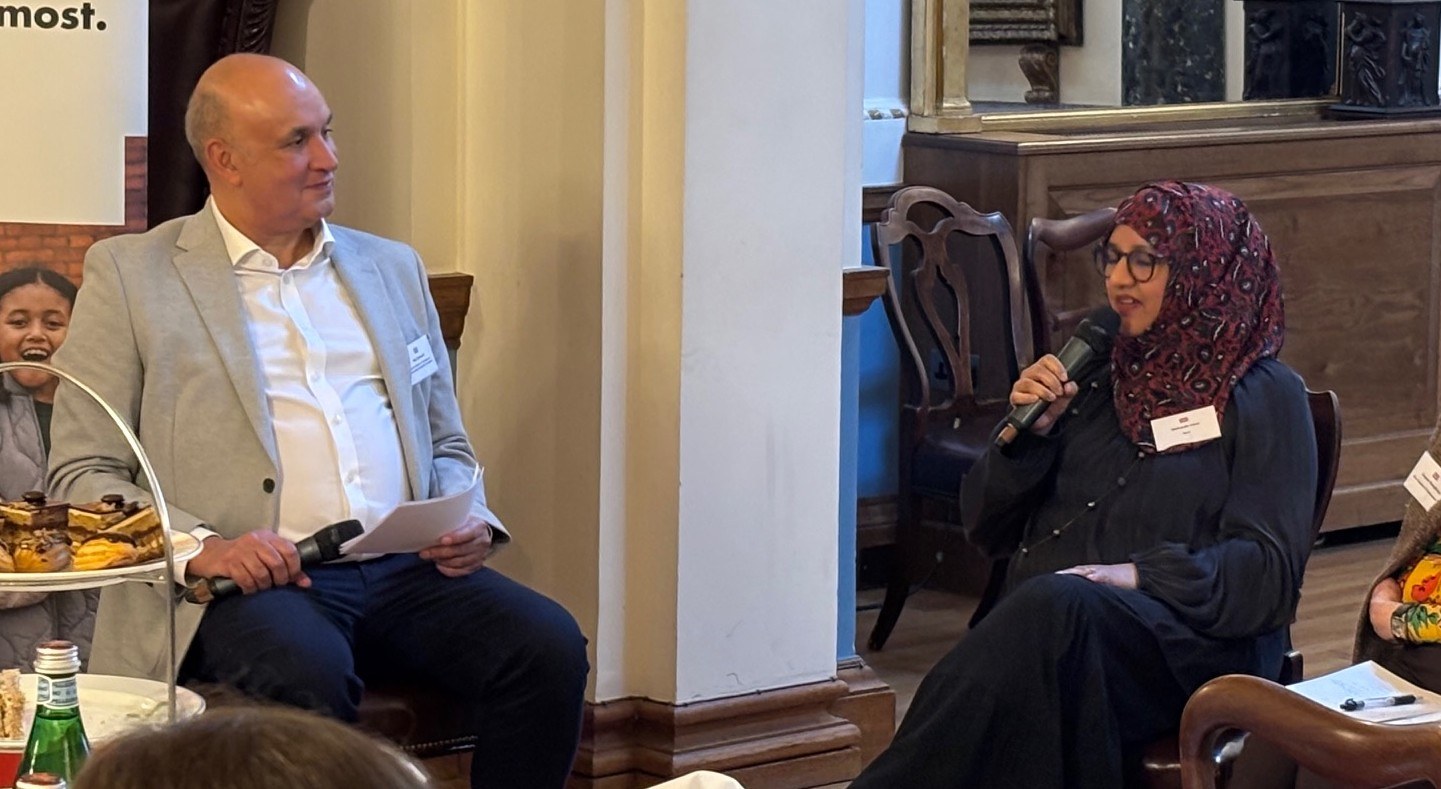
Waheeda Islam is the Chief Executive of Nour. She is a psychotherapist, clinical supervisor, and published author and we were delighted to welcome her to speak at a recent philanthropy event we hosted in Central London. Waheeda champions the vital role of mental health professionals in advancing social justice. She also echoes this need for compassion and empathy when walking with survivors of abuse:
"The power of trust and a truly relational approach to supporting survivors of abuse is often underestimated in its ability to reach underserved communities. We know this to be true because women tell us. Abuse happens within a power dynamic and much of our work is meeting a client where they are and being careful to avoid the same dynamics that play out in abusive relationships.
The London Community Foundation and in particular, (VAWG Programme Manager) Nimat Jaffer, has worked with us as a charity in the way we work with our clients; equitably and with the utmost respect as individuals first and foremost. My hope is that grant funders start to function in the way that The London Community Foundation have demonstrated works and is an effective partnership between funders and service providers. That way those receiving services are best served in their time of need and in the months and years that follow to recover and rebuild their lives.
As an organisation that values a deeply relational approach, this fund closely aligned with our approach. One aspect that we are immensely grateful for is having Nimat as our Programme Manager. Nimat’s approach has been professional, but also refreshingly empathic and approachable. We often speak about staff wellbeing for VAWG programmes; having a Programme Manager who is present, attuned and cares, makes a real difference to our wellbeing, particularly in the leadership roles we have in our organisations. This has been a fundamental difference in this programme compared to other grant funders."
We are so grateful to donors and funders like MOPAC and the Home Office who have seen the difference taking a relational and wholistic approach to funding for specialist community organisations like Nour can make. When that funding is supportive rather than just financial, the impact for underserved and underrepresented Londoners is multiplied. Investing in the frontline service providers as well as providing funds for their services will ensure that communities across the city will see the maximum benefit possible.
The London Community Foundation want to provide more of these supportive funding opportunities to the grassroots VAWG sector and to community organisations of all kinds across London. However, we can only do it with the support of generous donors like you.
If you or your company would like to know more about making a difference to London's underserved communities, please get in touch with our Philanthropy team on philanthropy@londoncf.org.uk