
Blog
When tech hurts
By Nimat Jaffer
Digital spaces can be both a tool for connection and a vehicle for harm. On International Human Rights Day (December 10th), our VAWG Programme Manager Nimat Jaffer explores the rise of tech-based abuse and its impact on young and vulnerable people. Drawing on insights from the MOPAC VAWG Grassroots Fund 2023–25, she reflects on what human rights look like in a world increasingly lived online.
Every year, on International Human Rights Day, we are reminded that rights are not just declarations. They are lived - in homes, in streets, in classrooms, and, increasingly, in the invisible architecture of our digital world.
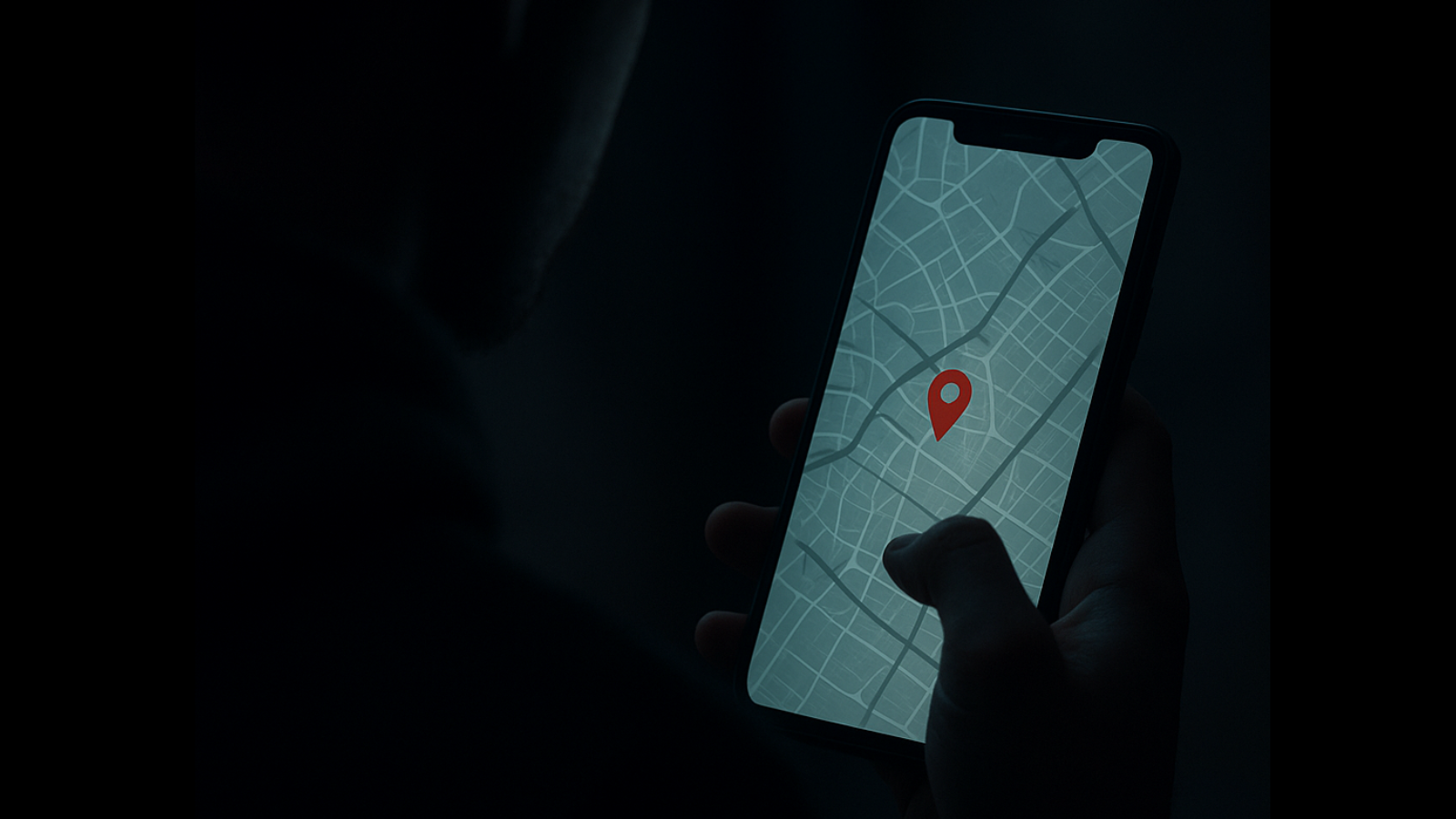
Parents digitally tracking older teens through smart devices has become a mainstream talking point, and popular soaps like Coronation Street are now weaving modern expressions of power into their storylines. It’s important to recognise that this can happen to anyone and occur within any type of relationship, from child to parent, same sex and even at work.
The Violence Against Women and Girls (VAWG) sector has seen a notable shift in how technology can be weaponised. The same technology that is often thought as a useful tool, and even sometimes a tool that provides a sense of safety or belonging.
Out of sight, not out of reach
Tech-based abuse is often thought of as something online - contained behind screens - but for many victims and survivors, violence and exploitation exist within their daily lives.
- Sextortion that comes as a threat at breakfast.
- Grooming that pretends to be a connection.
- Cyberstalking that shadows a person into their commute.
- Image-based abuse that trades on humiliation for control.
- Harassment that dodges reporting systems.
- Smart-tech misuse (locks, cameras, speakers) that turns a home into a site of surveillance.

Stay Safe East, a Led By and For organisation working with deaf and disabled survivors of violence and hate crime share how technology has facilitated abuse. It can be a particular issue for disabled people, as they may rely on technology to communicate, or even manage their wellbeing.
"The range of issues related to tech-facilitated abuse ranges from service users being targeted by so-called romance scammers online, having their assistive technology taken away, heating turned up/down remotely, and even mobility aids being tagged to enable tracking by abusers."
This is the reality for many disabled survivors. The technologies that enable independence can also deepen vulnerability when misused. What furthers this vulnerability is the mechanisms for reporting, including thresholds, are rarely designed with these nuances in mind. Stay Safe East have been working with Refuge to upskill their advocates with this knowledge, so they are better able to safely plan with clients regarding safe use of devices, and online safety.
Hidden harm
The MOPAC VAWG Grassroots Fund 2023–25 has provided valuable insight into the emergence of these issues, including the close connection to harmful attitudes among young people. Technology plays a complex role. It can be misused by young people themselves, yet it is also exploited by groomers as a vehicle for preparation and control. Acknowledging this duality is essential to understanding how digital behaviours intersect with risk, shaping the daily experiences of young people as well as other vulnerable people.
While there are excellent prevention programmes delivered by highly skilled organisations such as Action Breaks Silence, BelEve, Diverse Voices and others, the insights we’re seeing show that accountability for digital violence remains rare. Unless threats materialise in physical space, the harm is too often dismissed as “virtual,” as though psychological safety does not sit at the heart of human rights.
Tech misuse shapes daily life, even when the harm is invisible. The Online Safety Act 2023 is a step forward, but the effectiveness remains to be seen. Laws can demand accountability, but they can’t change culture. It starts with recognising that online actions are real actions with real consequences.
This is not isolated to London. Australia demonstrated this today through its decision to introduce a social media ban for teenagers. The policy aims to safeguard mental health and support healthier cognitive development, while also placing greater regulatory responsibility on social media and tech companies, with penalties of up to $50m for non-compliance.
Blurred lines
Human rights frameworks were built long before smart doorbells, encrypted chats, or deepfake imagery. Yet the principles remain the same. Tech-based abuse challenges us to ensure everyone feels safe and protected. That protection must extend into the digital corners where vulnerable and young people live, learn, experiment, and seek belonging.
As we mark International Human Rights Day, the question is not just how technology is misused, but how our own actions can blur the lines. In a world where sharing your location can feel like a layer of protection, where do we draw the line between caring and normalising constant monitoring?
Human rights are with us in every chat, app, and smart device, and it is our responsibility to make sure they are felt there. Digital spaces are human spaces, and human rights must follow us there.

Get involved
If you would like to know more about starting or contributing to a fund to support Led By and For specialist VAWG organisations in London, please get in touch so we can help you explore your options.